


Exploring the future of gaming What trends will shape the casino landscape
Rise of Virtual Reality in Casinos
Virtual reality (VR) technology is poised to revolutionize the gaming experience, particularly in the realm of casinos. With immersive environments, players can step into a digital casino, interacting with 3D environments and avatars. This enhances the thrill of traditional gambling while creating an atmosphere that mimics real-life gaming. High-quality graphics and sound effects transport players into a realm where they can experience slot machines, card games, and even live dealer setups from the comfort of their homes. Many are also turning to online cricket betting sites for additional entertainment options.
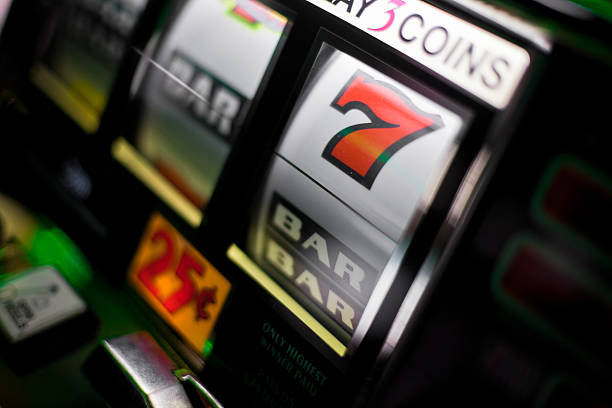
As technology advances, the affordability and accessibility of VR headsets are likely to improve. This means that a broader audience can engage with VR casinos, breaking geographical barriers. Players from different parts of the world can meet in a virtual space, fostering social interactions that are often missing in online gaming. Furthermore, the integration of VR with blockchain technology can ensure secure transactions and ownership of digital assets, adding an extra layer of trust for players.
The adaptability of VR technology means that casinos can introduce unique game formats and experiences that go beyond traditional offerings. For instance, special events or tournaments can be held in virtual spaces that attract both casual gamers and high rollers. As casinos evolve to include these cutting-edge experiences, the entire landscape of gaming will shift, appealing to a new generation of players who seek more than just monetary rewards.
Integration of Augmented Reality Gaming
Alongside virtual reality, augmented reality (AR) is set to play a significant role in reshaping the casino landscape. Unlike VR, which immerses players in a fully digital world, AR enhances the real-world experience by overlaying digital elements onto the physical environment. This technology can be used in various ways within casinos, such as interactive slot machines that provide additional gameplay features or engaging poker games that integrate digital elements to create a more dynamic experience.
Casinos can harness AR to create interactive gaming experiences that captivate players’ attention. For example, players might receive real-time bonuses or rewards as they walk around the casino floor, enhancing their engagement. By merging digital and physical gaming, casinos can create an atmosphere where players feel more involved and invested in the experience, leading to increased time spent and greater overall satisfaction.
Moreover, AR technology opens up exciting avenues for marketing and promotions. Casinos can run interactive campaigns where players use their smartphones to unlock rewards or discover hidden bonuses throughout the property. This not only enriches the gaming experience but also drives foot traffic within physical establishments. As the technology matures, we can expect to see more creative and immersive uses of AR that further transform the gaming landscape.
Rise of Cryptocurrency and Blockchain Technology
The emergence of cryptocurrency and blockchain technology is changing the way players engage with casinos. As traditional payment methods become less favored, cryptocurrencies like Bitcoin and Ethereum offer players a more secure, anonymous, and efficient way to conduct transactions. Blockchain ensures transparency and security in all dealings, which is especially critical in an industry where trust is paramount.
Moreover, cryptocurrencies can significantly reduce transaction fees and processing times, making it easier for players to deposit and withdraw funds. This efficiency appeals to high rollers and casual gamers alike, as they no longer have to deal with delays often associated with conventional banking methods. Additionally, the use of smart contracts can automate various gaming processes, ensuring fairness and improving the player experience.
As more casinos start accepting cryptocurrencies, the landscape is likely to evolve further. Players may find new games specifically designed for the crypto market, while casinos could leverage blockchain for loyalty programs and rewards. These innovations not only enhance the gaming experience but also attract a diverse audience interested in alternative forms of currency and investments.
Personalization Through Data Analytics
In today’s data-driven world, casinos are increasingly utilizing data analytics to enhance the player experience. By collecting and analyzing player data, casinos can tailor their offerings to meet individual preferences, creating a more personalized gaming experience. This could include customized game recommendations, personalized bonuses, or even exclusive invitations to special events, all based on a player’s previous gaming behavior.
Advanced analytics tools allow casinos to understand player habits better, enabling them to create targeted marketing campaigns. For instance, if a player frequently engages with slot machines, casinos can offer tailored promotions that resonate with that interest. Such personalization not only fosters loyalty but also increases player engagement, resulting in higher revenues for casinos.
Furthermore, the integration of artificial intelligence (AI) with data analytics enhances the personalization process. AI algorithms can predict trends and player behavior, allowing casinos to adjust their services and offerings in real time. This shift towards a more player-centric approach is likely to reshape the casino landscape, as operators prioritize individual experiences to attract and retain players in an increasingly competitive market.

Future Trends and Their Impact on the Casino Landscape
As we look ahead, it becomes evident that the casino landscape is in for a major transformation influenced by technological advancements and changing player preferences. Innovations like VR and AR will redefine how players engage with games, while cryptocurrencies will provide more secure and anonymous payment options. Personalization through data analytics will create unique gaming experiences that cater to individual players, enhancing engagement and loyalty.
In this rapidly evolving landscape, casinos must be adaptable, continuously embracing new technologies and trends to remain relevant. The integration of these advancements will not only provide improved gaming experiences but will also drive operational efficiencies and profitability for casino operators. As high roller experiences become more tailored and engaging, the casino industry will likely see a resurgence in popularity among both seasoned players and newcomers.
Ultimately, the future of gaming in casinos is bright, with endless possibilities on the horizon. As casinos continue to innovate and evolve, players can expect to benefit from an increasingly immersive, personalized, and secure gaming environment that redefines what it means to gamble in the digital age.
