


The rise and transformation of casinos through history
Origins of Gambling and Early Casinos
The concept of gambling can be traced back thousands of years, with evidence of rudimentary forms found in ancient civilizations such as Mesopotamia and China. Early gambling involved simple games of chance, often played with dice or rudimentary cards made from bone or wood. These activities were commonly conducted in informal settings, reflecting the social and cultural practices of the time. As societies evolved, so did the structure of gambling, leading to the creation of more formalized venues where people could come together to gamble. Today, exciting platforms like Hispin Casino offer great experiences; with the right Hispin casino promo code, players can maximize their enjoyment.
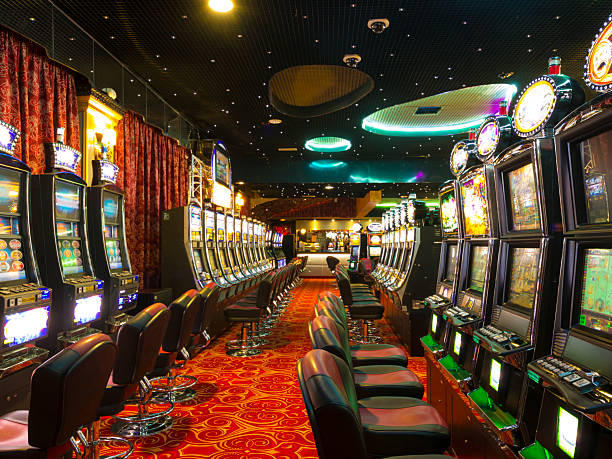
The first true casinos emerged in the 17th century in Italy. These establishments, known as “ridotti,” were private gambling houses that catered to the wealthy elite, offering a range of games that included card games and dice. The popularity of gambling in Italy laid the groundwork for the modern casino experience, which would soon spread throughout Europe. By the 18th century, casinos became more accessible to the general public, particularly in cities like Paris and Monaco, where lavish establishments attracted patrons from all walks of life.
This era marked the beginning of a transformation in how gambling was perceived and structured within society. Instead of being a private pastime, gambling became an organized activity with dedicated venues. The architectural design of these early casinos reflected their opulence, featuring elaborate decor, fine dining, and entertainment options. This evolution set the stage for the development of the modern casino industry we recognize today.
The Golden Age of Gambling
The 19th century heralded a golden age for casinos, especially in Europe and the United States. The establishment of Monte Carlo as a luxury gambling destination in the 1860s set a new standard for casinos worldwide. Monte Carlo’s glamorous reputation attracted aristocrats and wealthy tourists, establishing a model that many subsequent casinos would emulate. This period also saw the introduction of iconic games such as roulette and baccarat, which added to the allure of the casino experience.
In America, the California Gold Rush of the mid-1800s spurred a boom in gambling establishments, particularly in mining towns. Saloon-style casinos became commonplace, where miners would spend their earnings on games and entertainment. This era was marked by a sense of lawlessness, with gambling often intertwined with other forms of vice. Despite the risks associated with illegal gambling, these establishments thrived, laying the groundwork for the future of casino culture in the United States.
As the 20th century approached, the casino landscape began to shift dramatically due to changes in legislation and public attitudes towards gambling. In the 1930s, Nevada legalized gambling, paving the way for Las Vegas to become a premier casino destination. The rise of Las Vegas marked a seismic shift in the industry, as it combined gambling with entertainment, luxury hotels, and a vibrant nightlife, appealing to a broader audience than ever before.
The Modern Casino Experience
The latter half of the 20th century saw the transformation of casinos into multifaceted entertainment complexes. Las Vegas led the charge with extravagant resorts that offered not only gaming but also world-class dining, shopping, and live entertainment. The construction of massive casino hotels, such as The Mirage and Bellagio, exemplified this shift, featuring elaborate themes and luxurious amenities designed to attract visitors from all over the globe.
Online gambling emerged in the late 1990s, fundamentally altering the landscape of casinos. The rise of the internet made it possible for players to enjoy their favorite games from the comfort of their homes. Online platforms began to offer a wide variety of games, including slots, poker, and live dealer options, catering to a growing audience of tech-savvy gamblers. This digital revolution challenged traditional casinos to adapt and innovate, leading to a hybrid model that blended in-person and online gaming.
The modern casino experience is characterized by the integration of technology. Many establishments now utilize advanced gaming technology, such as cashless systems and mobile applications, to enhance customer experiences. Additionally, casinos are increasingly focused on creating a customer-centric environment, emphasizing personalized services and loyalty programs to retain patrons. This evolution reflects the changing preferences of gamblers, who seek convenience and a diverse range of entertainment options.
Challenges and Regulation in the Casino Industry
As the casino industry has expanded, so too have the challenges it faces. Issues such as problem gambling, money laundering, and the impact of casinos on local communities have prompted governments to impose stricter regulations. Ensuring that gambling remains a safe and enjoyable activity is a priority for regulators, leading to initiatives aimed at promoting responsible gambling practices. Many casinos now implement measures to help identify and assist individuals who may be struggling with gambling addiction.
Additionally, the rise of online gambling has introduced new regulatory challenges. Governments are tasked with balancing the benefits of tax revenue generated from gaming with the necessity of protecting consumers. This has led to the establishment of regulatory bodies that oversee online casinos, ensuring they adhere to fair gaming practices and protect player data. The complexity of these regulations varies significantly across jurisdictions, creating a patchwork of laws that operators must navigate.
The casino industry must also adapt to societal changes and technological advancements. The increasing popularity of esports and skill-based games poses a new challenge for traditional casinos, which must innovate to remain relevant. Embracing new technologies, such as virtual reality gaming, could offer exciting opportunities for growth, but it also requires significant investment and a willingness to change. The ability to adapt to these challenges will be critical for the future of casinos worldwide.

The Future of Casinos and Online Gaming
The future of the casino industry is poised for continued transformation, driven by advancements in technology and shifting consumer preferences. Online gaming is expected to play an increasingly prominent role, with innovations like virtual reality and augmented reality gaming set to enhance the player experience further. These technologies could simulate the ambiance of a physical casino, providing players with immersive environments that make online gaming more engaging than ever.
Furthermore, the acceptance of cryptocurrencies as payment methods is likely to reshape the gambling landscape. Many online casinos are already beginning to incorporate digital currencies into their payment options, allowing for faster transactions and increased anonymity for players. This shift not only modernizes the industry but also attracts a younger demographic that is more accustomed to digital currencies.
As new platforms emerge, such as the upcoming Hispin Casino launching in 2025, the competition in the online gaming market will intensify. Providing a diverse range of gaming options, secure transactions, and attractive promotions will be vital for attracting players. The continuous evolution of casinos, both physical and online, reflects the industry’s adaptability and commitment to meeting the changing demands of the gambling community.
